- Monday to Friday: 9am to 5:30pm. Saturday to Sunday: Closed.

Shipping internationally can feel tricky, but with the right steps, it’s entirely manageable. Whether you’re a business sending products or just an individual shipping something abroad, these tips will help you keep things on track. From managing costs to dealing with customs, this guide will make the process smoother.
When sending goods overseas, you need to be aware of customs regulations, taxes, and documents required. Each country has different rules, and the last thing you want is a delay due to missing paperwork.
Customs charges can add up quickly, so it’s crucial to know what fees might apply to your shipment. Charges depend on the destination, the value of your goods, and the type of items you’re shipping. Research what’s required for each country, and make sure all paperwork is filled out correctly to avoid any holdups.
Using a reliable freight forwarder can help ensure you’re following the right regulations.
Picking the right shipping company can save you both time and money. Look into the carrier’s reputation, how quickly they deliver, and how well they manage customs.
You’ll need to choose between air freight or sea freight for your shipment. Air freight is faster but more expensive, making it a good choice for time-sensitive deliveries. Sea freight is a better option for larger shipments that don’t have strict deadlines.
For example, if you’re sending a large order of goods to Europe and have no rush, sea freight would be a better, cost-effective option whereas times coming from Pakistan for example may have different lead times.

Ensuring your goods are packed well is essential. Poor packaging can lead to damage during transit, especially with international shipments where items are handled multiple times.
To safeguard your shipment, use tamper-evident seals and, for valuable items, consider insurance. It’s worth the peace of mind in case something goes wrong during transit.
How long your delivery takes depends on several factors: shipping method including road freight, destination, and potential customs delays. Air freight typically takes 1-7 days, while sea freight can take weeks.
Carriers usually offer online tools to help you calculate delivery times. These tools can give you a more precise idea based on the package’s origin, destination, and weight.
Shipping internationally is often expensive, but understanding what influences the cost can help you save. Size, weight, and the shipping method all impact pricing.
Here are some useful tips to cut down on costs:
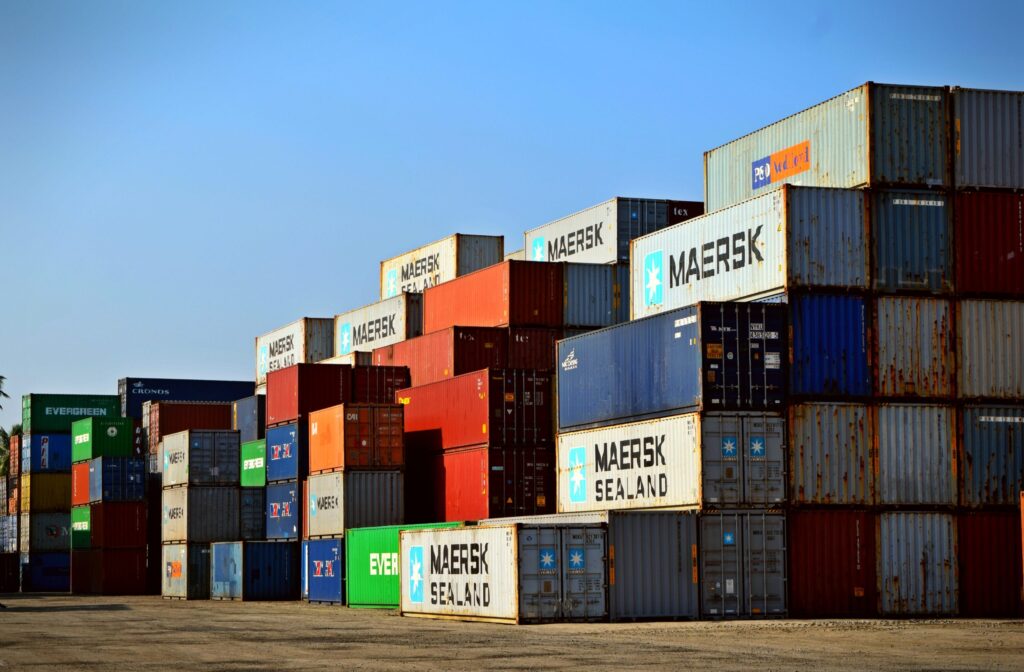
Clearing customs is a critical part of shipping internationally. Incorrect or missing documentation can lead to delays, extra charges, or even the return of your goods.
Make sure to include the necessary paperwork:
Mistakes during shipping can be costly. Here are some of the most frequent pitfalls:
The most affordable method depends on your needs. For large, non-urgent shipments, sea freight is usually the cheapest. Air freight, while faster, comes at a higher price.
Most carriers offer tracking systems, so you can keep an eye on your package throughout its journey.
If your shipment is delayed, get in touch with the carrier to understand why. Delays can be caused by a variety of factors like weather, customs checks, or logistical issues. Choosing a reputable carrier and having all documentation in order can reduce the chances of delays.
With some preparation, international shipping doesn’t have to be a hassle. By understanding customs, picking the right carrier, and packaging your goods securely, you can avoid most of the common problems. Whether you’re a business owner or just shipping a one-time package, these tips can help you save time and money.


