

When you’re shipping goods from China to the UK, delivery time depends on more than just the miles covered. The quick answer: sea freight usually takes 4–6 weeks door-to-door, air freight arrives in about 7–14 days, and rail freight (where available) averages 18–24 days. However, real transit times are shaped by factors such as your cargo type, route, customs clearance, and more.
This guide sets out what determines your China to UK shipping time with real examples, practical comparisons, and advice for choosing the right shipping method for your needs.
Shipping Methods and Typical China to UK Transit Times
The main way to ship from China to the UK is sea freight, which is the most common route, especially for goods that aren’t time-sensitive and where keeping costs down is key. The weekly sailings Power Forwarding arranges typically see shipping times from China ports like Shanghai, Ningbo, and Shenzhen to Felixstowe or Southampton in the UK, averaging four weeks just at sea. But that’s not the full story, origin pick-up, customs, loading, unloading, and final UK delivery all add time.
Here’s a general breakdown by cargo mode:
| Mode | Typical Port-to-Port Time | Door-to-Door Range | Best For |
| Sea Freight (FCL) | 26–32 days | 30–40 days | Full container loads, bulk |
| Sea Freight (LCL) | 28–36 days | 35–45 days | Smaller shipments, shared space |
| Air Freight | 3–7 days | 7–14 days | Urgent, valuable, small items |
| Rail Freight (where viable) | 15–18 days | 18–24 days | Mid-size, time-sensitive, lighter than sea |
These ranges assume no unusual delays due to border controls, strikes, or major global events. If you are exploring overland options, some routes combine rail with road legs across Eurasia, see road transport from China to the UK.
What Can Affect Your China to UK Shipping Time?
Not every shipment will stick to the averages above. The total time can shift significantly depending on:
- Choice of departure and arrival port: Major Chinese ports (like Shanghai or Shenzhen) have more frequent sailings and reliable schedules. UK ports served by Power Forwarding, such as Felixstowe and Southampton, typically offer efficient onward UK delivery but selecting the nearest port to your final destination can reduce inland transit.
- Cargo type and requirements: Certain goods, oversized machinery, hazardous materials, or those needing temperature control, can trigger extra checks, affect vessel choices, or lead to longer customs processes.
- Customs clearance and paperwork: Incomplete or incorrect documentation is among the most common causes of delay, both when leaving China and at the UK border. Border Force may request additional details, so it pays to have everything in order.
- Chinese national holidays: Shipments can be held up for days or weeks around Golden Week and Chinese New Year, when factories and transport systems wind down and backlogs stack up.
- Port congestion and global events: Busy seasons, weather events, or international disruptions (such as those affecting the Suez Canal or Red Sea) can slow sailings and offloading.
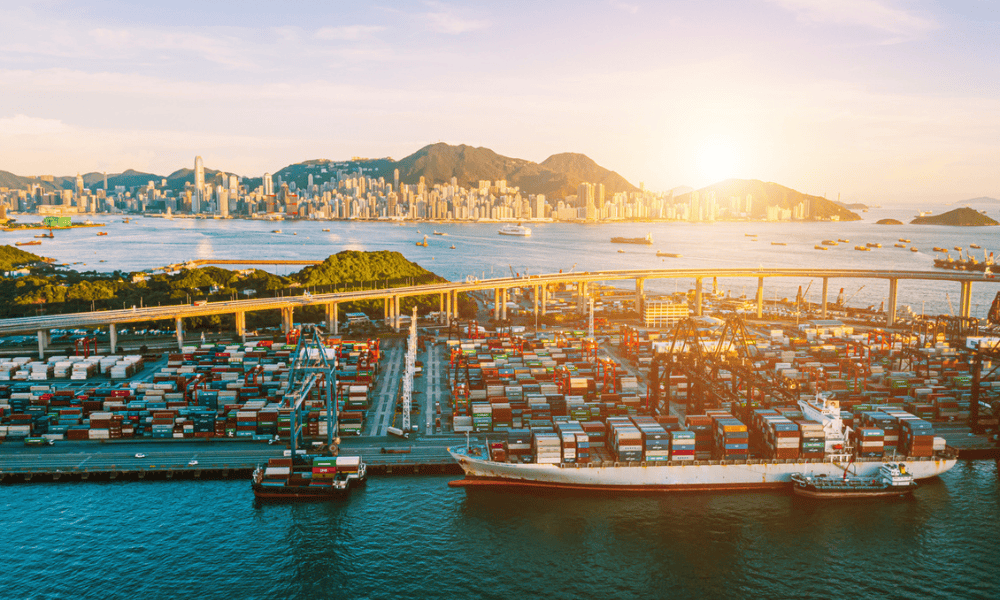
Port-to-Port Versus Door-to-Door: What to Expect
Port-to-port times (e.g. Shanghai to Felixstowe) only measure the core crossing. They don’t account for the time taken to collect your goods from the supplier, clear them through export checks, load them onto a vessel, or move them from the UK port out to your final address.
For a realistic estimate, add:
- Supplier readiness and pre-carriage to the China port (1–5 days depending on location)
- Port processing and customs at origin (2–4 days)
- Main transit (as given above)
- Arrival port processing and customs (2–4 days, but may be slower if inspections are needed)
- Onward delivery within the UK (1–5 days, depending on address from port)
Each shipment is different, so consider the entire journey rather than just quoted “transit time”.
How to Speed Up or Avoid Delays When Shipping from China
If your business is under pressure to meet a launch date or stay on top of busy retail periods, plan ahead by booking early during peak seasons, especially around Chinese New Year and Golden Week. Double-check documentation so commodity codes, values and descriptions match, since misdeclared goods or missing forms slow clearance. Choose the mode that suits the lead time and budget, for instance air for urgent cargo or sea LCL if you do not have enough for a full container. Build a buffer around expected arrival to absorb minor hiccups and agree any special delivery requirements with the consignee in advance, particularly for non-standard sites or time-limited booking slots.
Advice from Power Forwarding: If your shipment is niche, oversized, perishable, or otherwise complex, let your forwarder know upfront so specialist arrangements can be made without derailment.
Comparing Your Cargo’s Best Route and Carrier
For most importers, the best value is found by comparing options for your specific consignment: weight, urgency, value, and handling requirements. The fastest route is not always the right one. Sea freight is usually the most competitive, but if delivery is critical, paying more for air or fast rail may be justified by saved sales or reduced warehousing costs.
Ask prospective partners how they handle the handoff between sea, air, and road legs, who is responsible for customs, and what support is available if something goes off-plan. Not all forwarders manage the full “door-to-door” leg, Power Forwarding arranges everything from China collection and consolidation through to final UK delivery, including customs and cargo insurance. For duties, documents and a step-by-step overview, see our guide to importing from China to the UK.
Take the time to weigh costs against the likelihood of delay, and ask for references or examples in your sector.
Planning for the Unexpected: Contingency and Insurance
No matter how carefully planned, international logistics can hit snags. Build in buffer time during critical projects, consider cargo insurance since Power Forwarding offers cost-effective cover for commercial shipments, and keep close communication with your forwarder for timely updates, especially if your delivery is likely to coincide with seasonal backlogs.
For more details on the finer process and your shipment options, see Power Forwarding’s detailed guide to shipping from China to the UK, including service terms, required documentation, and expert advice for businesses and private importers.

