

Damage to cargo is a huge threat to any products that travel on the supply chain; surveys have been conducted and show that almost 80% of consumers say that they would return a product that they receive if it was damaged during the shipping process. The more that your products arrive damaged, the more money you lose as a result of having to ship out new products or provide refunds for the product in question. Losses like this can build up quickly and cause problems within your own company if not rectified as soon as possible.
However, if you can successfully reduce shipping and cargo damage, you can effectively minimise shipping costs; with the correct strategy, packaging, and tools, you can cut shipping costs by thousands.
1. Choose Pallets and Packaging Extremely Carefully
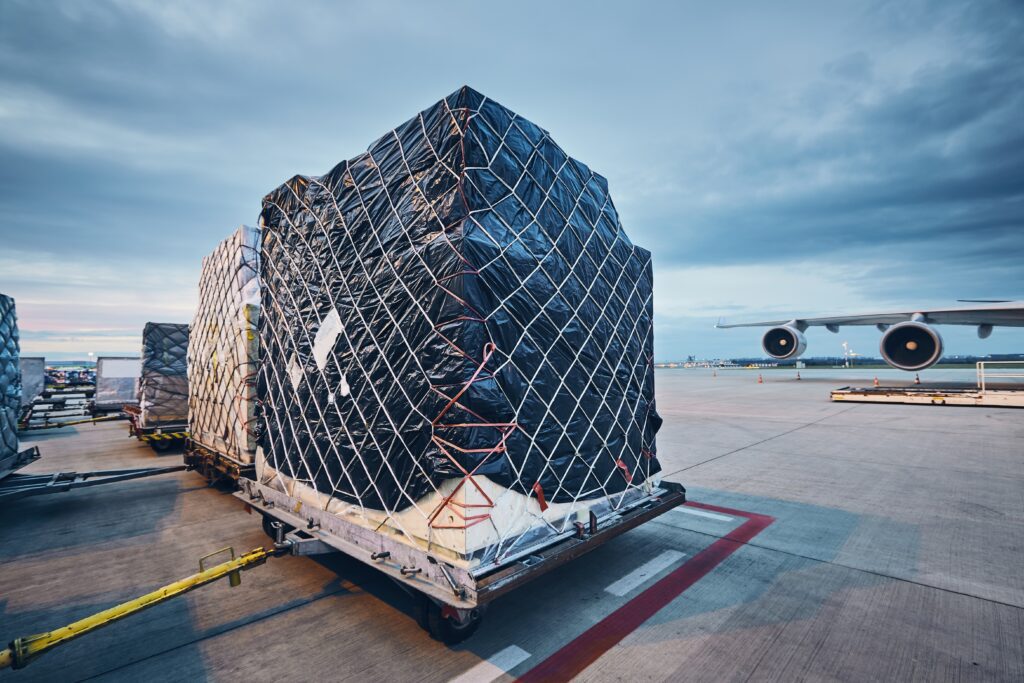
Every single thing that you use should be chosen depending on the level of protection that the products require, from the packaging materials that you use within the boxes and the actual boxes themselves to the pallets that they sit on, the product they are wrapped in, and the containers that they are stored inside. If you utilise the correct packaging materials to fill in the empty space inside of the boxes, you can minimise damage by ensuring that the products do not move around and hit other objects when on the move.
Perfect for delicate items, you should use padding material such as bubble wrap, air bags, protective foam, or corrugated inserts. Alongside the padding uses, you should also guarantee that the pallets are structurally fine, un-warped (free from lots of moisture inside of the wood), larger than the base of your cargo, and made of the appropriate material. The best materials for pallets are:
- Wood
- Metal
- Plastic
You should also make sure that your pallets are sealed with a wrap that is both water-resistant and, ideally, light-resistant.
2. Fill Your Containers Properly
Empty space is not your friend when it comes to filling your containers and stacking your pallets; the more space that the cargo has to move around, regardless of whether it is in the box or on the pallet, the more likely it is to sustain heavy damage. Just like filling the empty space in boxes, you should ensure that you use the correct size of boxes to make certain that there isn’t a lot of space for the products to move.
You should stack the pallets properly, too. The easiest way to do this is to put all of the heavy goods on the bottom and stack the boxes in an overlapping pattern, similar to how bricks are laid on top of each other. Never double-stack pallets, especially if the items at the top are fragile.
3. Use Clear Labels
If you are shipping expensive or delicate items, you definitely need to make it clear on your packaging labels and your bill of lading. Your labels should be printed on the most durable paper available and must contain information such as how much weight can be placed on top of the package without damaging it. If you provide this information, it will help handlers to protect your packages from damage. Using durable labels will also help to make sure that your items get to their destination intact and free from damage.
We Can Help at Power Forwarding
The team here at Power Forwarding specialise in sea, air, and road freight services and are experts in worldwide shipping. We understand that shipping damage can be a giant threat to your revenue because damaged products cannot be sold; by exercising more control over shipping and cargo damage, you can literally save money.
If you want to know how our shipping and freight services can help you get your cargo to where it needs to go quickly, safely, and damage-free, give our team a call on 0845 094 6082 or email info@powerforwarding.com.

