
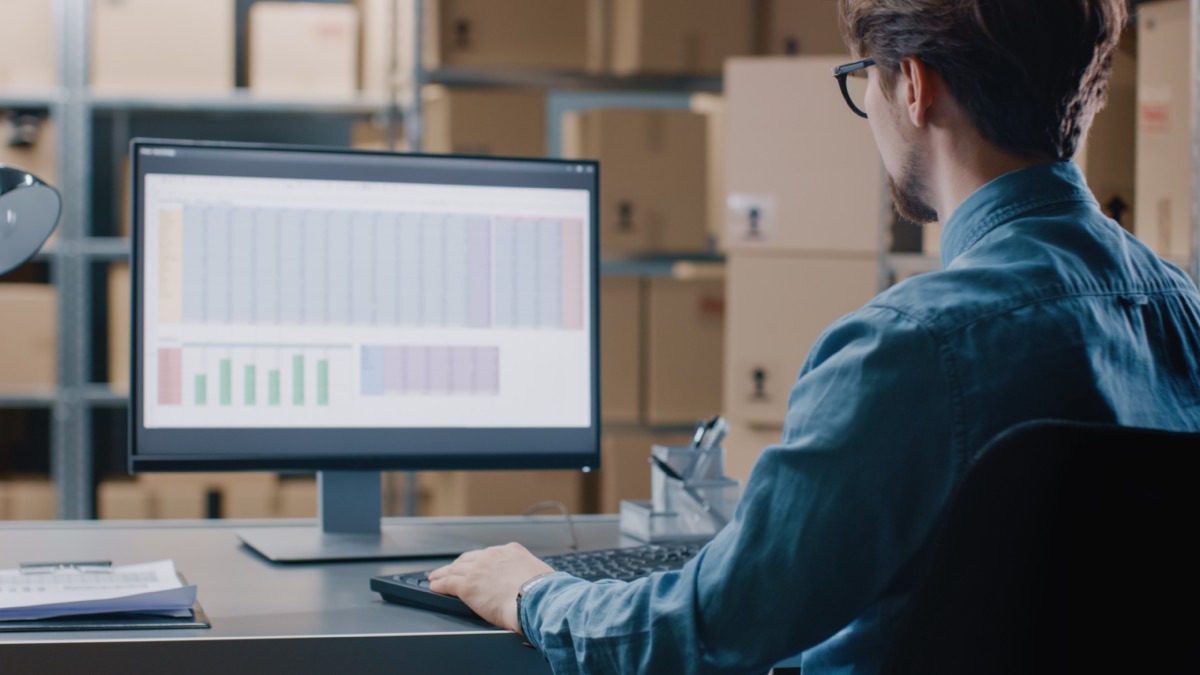
A delayed shipment can affect stock levels, production schedules, customer orders and cash flow. Although freight disruption cannot always be avoided, transportation technology can help businesses spot problems earlier and respond before a small issue becomes a more serious delay.
Modern logistics technology gives freight forwarders, carriers and customers clearer shipment information. It supports route planning, tracks important milestones and helps everyone involved work from the same data. The result is a more organised response when weather, congestion, customs checks or changes to carrier schedules affect a shipment.
What Causes Transportation Disruptions?
Transportation disruptions can happen at almost any point in the shipping process. Common causes include port congestion, adverse weather, road closures, limited carrier capacity and vehicle breakdowns.
International shipments face additional risks. Missing paperwork, incorrect commodity information and unexpected customs requirements can prevent goods from being released on time. Delays can also occur when cargo needs to transfer between road, sea and air services.
The important question is how quickly a problem can be identified. Businesses relying on manual updates may not know that a shipment is delayed until a delivery deadline has already been missed. Transportation technology provides earlier information so that alternative arrangements can be considered.
What Is Transportation Technology?
Transportation technology covers the digital systems used to plan, monitor and manage the movement of goods. One of the best-known examples is a transportation management system, often shortened to TMS.
A transportation management system can bring together information relating to routes, carriers, bookings, delivery schedules and shipment costs. Depending on the system and transport method, it may also connect with:
- GPS and vehicle telematics
- Carrier tracking systems
- Warehouse management software
- Customs declaration systems
- Route-planning tools
- Automated shipment alerts
Not every shipment needs the same combination of tools. The value comes from collecting reliable information and making it available to the people responsible for managing the cargo.
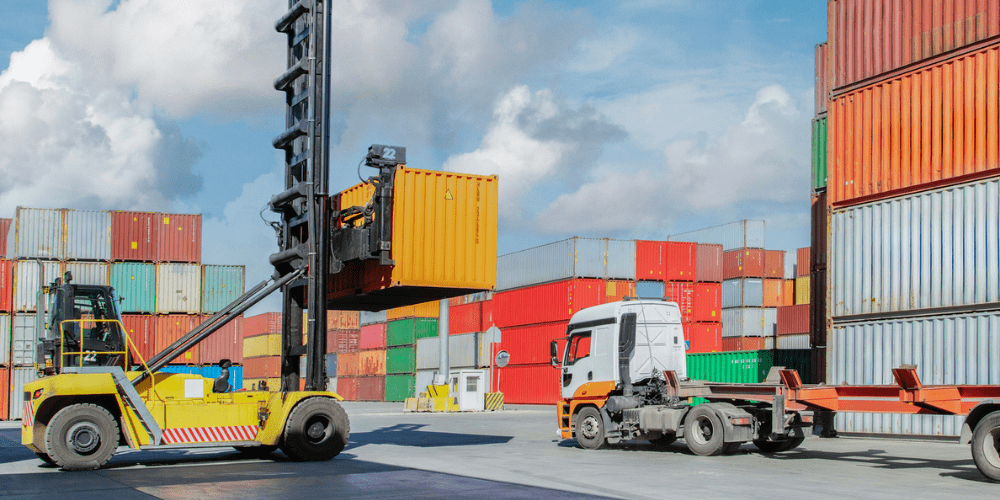
How Does Transportation Technology Reduce Disruptions?
Earlier Warnings About Freight Delays
Real-time tracking and automated alerts can identify when cargo has missed a planned milestone or when an estimated arrival time has changed. This gives the freight team more time to investigate the cause and update the customer.
Tracking availability and detail can vary between carriers and transport methods. For urgent or time-sensitive cargo, our air freight services include shipment tracking and updates where this information is available.
Early warnings do not remove the disruption, but they provide more time to adjust stock planning, customer expectations or onward transport.
Improved Route Planning
Route-planning software can assess roadworks, traffic conditions, delivery windows and vehicle requirements. If a planned route becomes unsuitable, the available information can help transport teams identify a practical alternative.
Power Forwarding’s road freight services include route optimisation, tracking and proactive communication. This can be particularly valuable for UK and European freight, where an unexpected road closure or missed collection slot may affect several later stages of the journey.
Better Coordination Between Transport Methods
International freight often involves more than one method of transport. Cargo may travel by road to a port, move overseas by vessel and then return to the road network for final delivery.
Transportation technology provides clearer visibility across these handover points. If a vessel schedule changes, the freight team can review the collection arrangements rather than sending a vehicle according to outdated information.
Our sea freight services can form part of a wider freight plan that includes collection, customs clearance and onward delivery.
More Accurate Customs Information
Technology can reduce avoidable administrative problems by keeping shipment details, invoices and customs information organised. Digital systems may also flag missing fields or inconsistent data before a declaration is submitted.
Technology cannot correct an inaccurate commodity code, replace a required licence or guarantee that goods will clear customs without inspection. Accurate information and knowledgeable oversight are still essential.
Power Forwarding provides customs clearance support for goods entering or leaving the UK. Businesses can also review the official GOV.UK customs clearance process</a> to understand the information and registrations that may be required.
Clearer Warehouse and Inventory Information
Warehouse management systems can record when goods arrive, where they are stored and when they are ready for dispatch. Barcode scanning and digital stock records can reduce manual errors and make it easier to locate cargo.
This information becomes especially useful when a transport delay changes the expected arrival time. Warehouse teams can adjust receiving slots, labour requirements and onward distribution plans using updated shipment information.
Power Forwarding can arrange warehousing services, including general storage, bonded storage and pick-and-pack support.
Faster and More Consistent Communication
Customers need clear information when a delivery does not go to plan. A central transport system helps reduce conflicting updates by giving freight teams access to the same shipment status and supporting documents.
Automated notifications can handle routine milestones, while the freight forwarder explains more complicated issues and discusses the available options. This combination can provide useful updates without removing the personal support needed when plans change.
Can Technology Prevent Every Freight Delay?
No. Transportation technology cannot prevent bad weather, port closures, customs inspections or sudden reductions in carrier capacity.
What it can do is improve visibility and response time. A transport management system may identify that a shipment is running late, but an experienced person still needs to assess the information and decide what should happen next.
The best results usually come from combining reliable technology with practical freight knowledge. Data helps identify the issue, while human oversight accounts for the cargo, budget, deadline and wider supply chain.
Preparing Your Shipment for Fewer Disruptions
Businesses can support the shipping process by providing accurate information at the beginning of the booking. Before requesting a freight quote, it helps to have:
- Collection and delivery addresses
- Cargo descriptions and commodity information
- Package dimensions and weights
- Required collection or delivery dates
- Commercial invoices and available supporting documents
- Details of any fragile, restricted or temperature-sensitive goods
Providing complete information allows the freight forwarder to assess suitable transport methods, customs requirements and possible risks before the cargo begins its journey.
Reduce Freight Disruptions with Power Forwarding
Power Forwarding manages international air, sea and road freight alongside customs clearance, warehousing and wider logistics support. We can review your cargo, destination and timescale before recommending a suitable shipping plan.
Technology helps us access important shipment information, while our team remains available to explain updates and coordinate the next steps. If you need help planning an import, export or time-sensitive delivery, contact Power Forwarding to discuss your shipment and request a free freight quote.

