

Shipping goods across borders? One of the biggest choices you’ll face is how to get them there: by air or sea. Each option has strengths and trade-offs, and the best fit depends on what matters most to you. Is it speed? Cost? The nature of your cargo? In this guide, we’ll walk you through the main differences to help you figure out which method works best for your needs.
Cost: How Do Prices Compare?
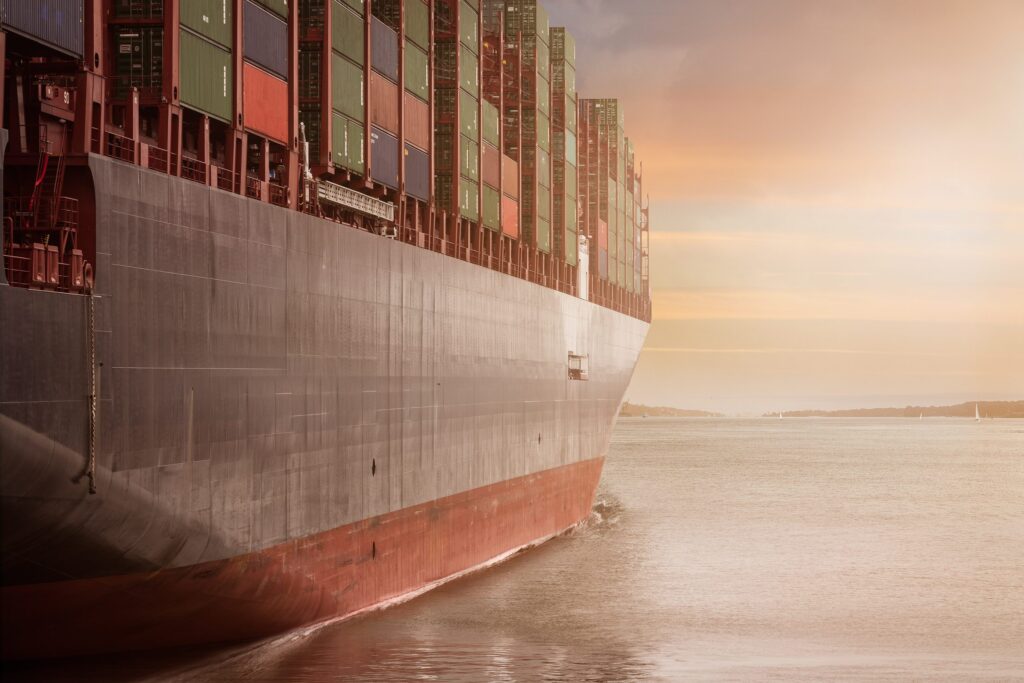
Cost is often the first factor people consider when arranging international freight. Sea freight is usually the more affordable option, especially for larger shipments. Ocean carriers typically charge based on the size and volume of the container, with standard options being 20-foot and 40-foot containers. This makes ocean freight ideal for bulk goods, machinery, furniture, or other heavy cargo.
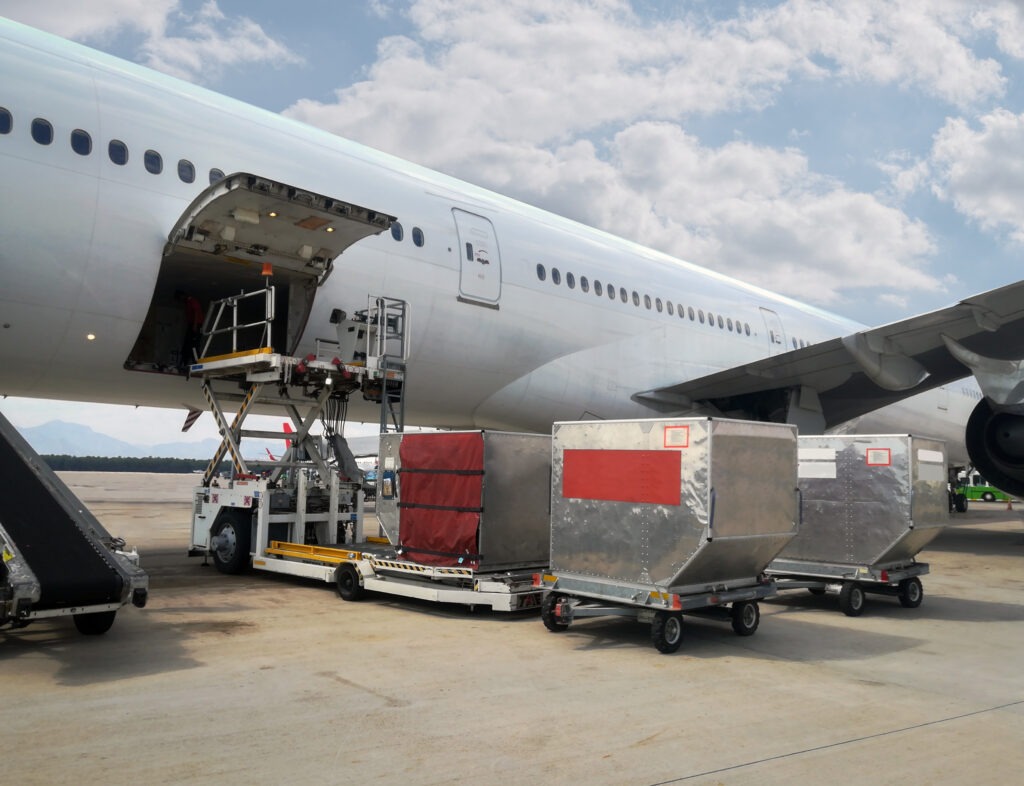
Air freight, on the other hand, is generally more expensive. Airlines charge by “chargeable weight,” which considers both the actual weight and the dimensions of the cargo. For smaller shipments or high-value items, air freight can still be cost-effective, particularly when speed is a top priority. However, if you’re shipping large volumes, the price of air freight can quickly add up.
Speed: How Fast Do You Need Your Goods?
If speed is your main concern, air freight is the clear winner. Most international air shipments arrive within a few days, making it ideal for urgent deliveries, seasonal inventory, or perishable goods.
In contrast, sea freight takes longer. Shipping goods by ocean can take several weeks depending on the distance, route, and any transshipment stops along the way. While advancements in port technology and vessel speed have reduced transit times, it still cannot compete with the efficiency of air travel.
Reliability: Which Is More Consistent?
Reliability matters in logistics. While air freight is usually considered more reliable in terms of schedules, it is still subject to delays due to customs checks, airspace congestion, or airport handling times.
Sea freight is improving in reliability, but it is more vulnerable to port congestion, weather-related delays, and other logistical slowdowns. That said, if you’re working with a reliable freight forwarder and your schedule allows some flexibility, sea freight can still be a dependable option.
Cargo Type: What Are You Shipping?
The type of cargo you are moving will significantly impact your decision. Air freight is ideal for lightweight, high-value items like electronics, pharmaceuticals, and luxury goods. These items benefit from fast, secure handling and shorter transit times.
Sea freight is better suited for bulky, heavy, or non-urgent cargo. Items such as construction materials, automobiles, industrial equipment, and household goods are commonly shipped by sea due to the cost efficiency and space availability.
Hazardous materials and liquids are often more restricted on planes, making sea freight a more suitable choice for such items.
Environmental Impact: Which Is Greener?
If your business is focused on reducing its carbon footprint, sea freight may be the better option. Ocean shipping generally produces lower CO2 emissions per kilogram of cargo compared to air transport. Ships can carry large quantities of goods in a single journey, which increases efficiency and reduces fuel consumption per unit.
Air freight has a higher environmental impact due to fuel-intensive aircraft and the energy required for rapid transport. While the aviation industry is exploring greener solutions, shipping by sea remains the more eco-friendly choice for now.
Customs and Documentation: Is One Easier?
Both sea and air freight involve customs clearance, but air freight often moves through customs faster due to fewer touchpoints and tighter timelines. Airlines and customs agents usually process documents quickly to ensure the cargo can continue on schedule.
Sea freight may face more delays during customs checks, particularly if there are issues with container inspections or documentation. However, with the right paperwork and an experienced freight partner, both methods can be streamlined effectively.
Making the Right Choice for Your Business
Choosing between sea and air freight depends on your unique business needs. Consider the following questions:
- How quickly do you need your goods delivered?
- What is your budget?
- What type of cargo are you shipping?
- Are you concerned about environmental impact?
- Do you have flexibility in your delivery timeline?
In many cases, a combination of both sea and air freight might be the most effective strategy. For example, you might ship bulk goods by sea and smaller urgent parcels by air to meet different supply chain needs.
Talk to Our Freight Experts at Power Forwarding
Shipping goods internationally can feel complex, but you don’t have to do it alone. At Power Forwarding, we help businesses like yours choose the right freight solutions based on budget, timeline, and cargo requirements.
Our team specialises in sea and air freight to and from the UK, working with businesses all over the world. We offer full-service freight forwarding, clear documentation support, and tailored advice to make your logistics run smoothly.
If you’re still unsure which method is best, contact us today and speak with one of our logistics experts. We’ll walk you through the options and help you plan the most efficient and cost-effective route for your shipment.
Related Articles
How Much Does Air Freight Cost in the UK? (2026 Guide)
FCL vs LCL: Which Shipping Method Is Right for Your Business?

