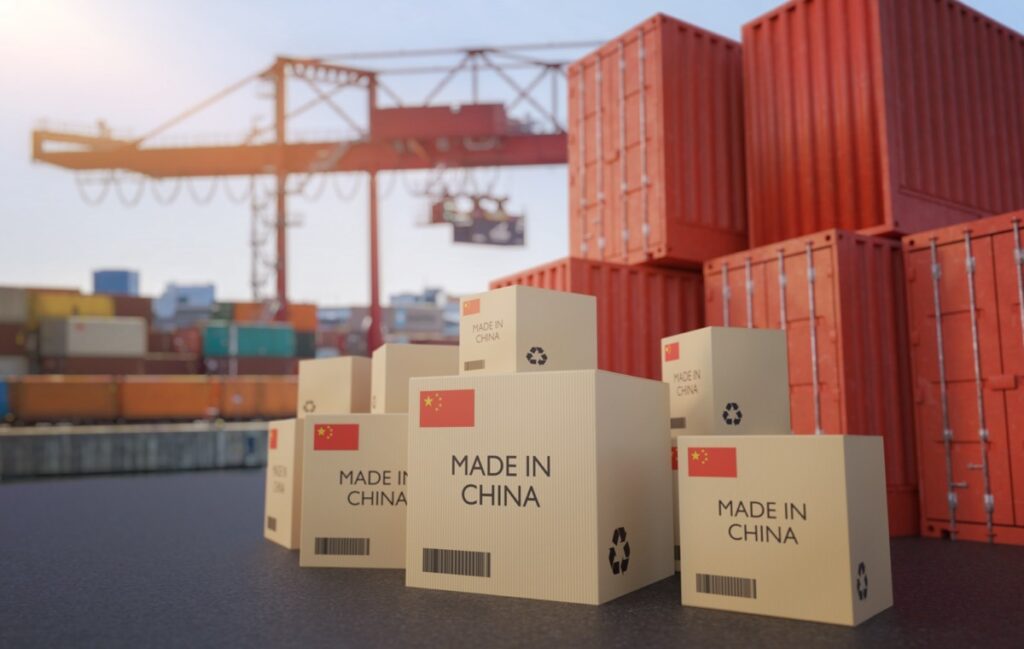
Shipping heavy items doesn’t need to be overwhelming. With the right approach, it can be straightforward and budget-friendly. Whether you’re a business owner or simply sending large goods, knowing what to expect can save you time, money, and stress. In this guide, we’ll cover the key steps for shipping heavy items, helping you avoid common pitfalls and pick the best freight option.
Understanding Your Freight Options
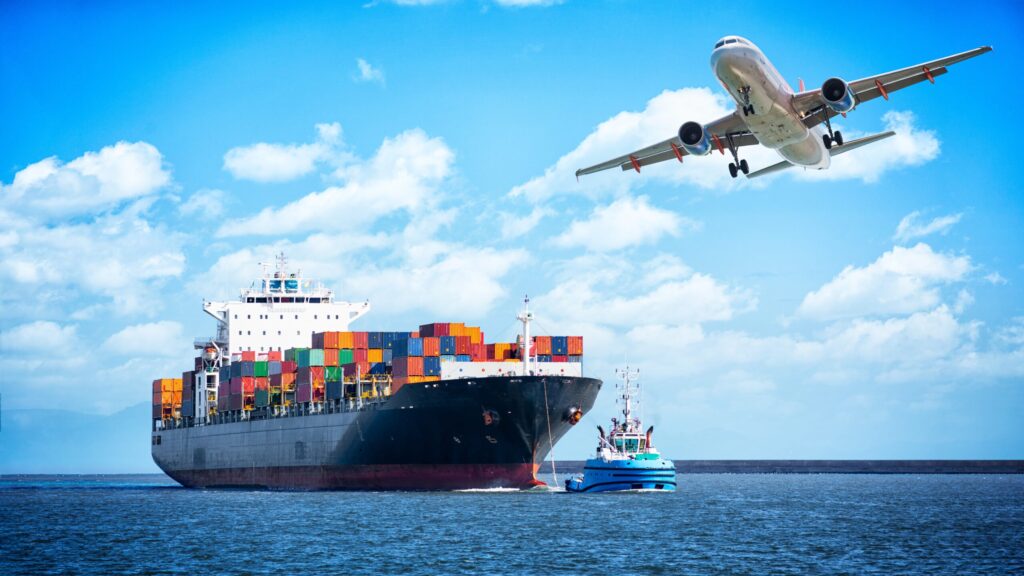
When it comes to heavy goods, picking the right shipping method is crucial. You’ve got three main choices: road, air, and sea freight, each with its benefits and drawbacks.
Road Freight: Flexibility and Speed
For shorter distances, road freight is a convenient option. It’s flexible and often quicker than sea freight, but prices can climb if multiple transfers are involved. It’s ideal for domestic shipments, like moving equipment from one UK city to another.
Air Freight: Speed When You Need It
If time is of the essence, air freight is the fastest way to ship. That speed comes at a price, though, especially for heavier items. It’s best for high-value or urgent deliveries, such as sending electronics across borders quickly.
Sea Freight: The Bulk Shipping Champion
Sea freight is perfect for shipping large loads over long distances. While slower than air and road, it’s far more cost-effective for heavy or bulky goods. Businesses commonly use this for importing or exporting goods between continents, like shipping materials from China to the UK.
What Does It Cost to Ship Heavy Items?
Shipping costs depend on several factors, such as weight, size, method, and destination. Here’s what to keep in mind:
- Weight and Size: The bigger and heavier the item, the more you’ll pay.
- Destination: Domestic shipping tends to be cheaper than international routes. Some countries may have complex customs procedures, which can also add to the cost.
- Freight Type: Air freight is typically the priciest, followed by road, then sea.
Tips to Save on Shipping Costs
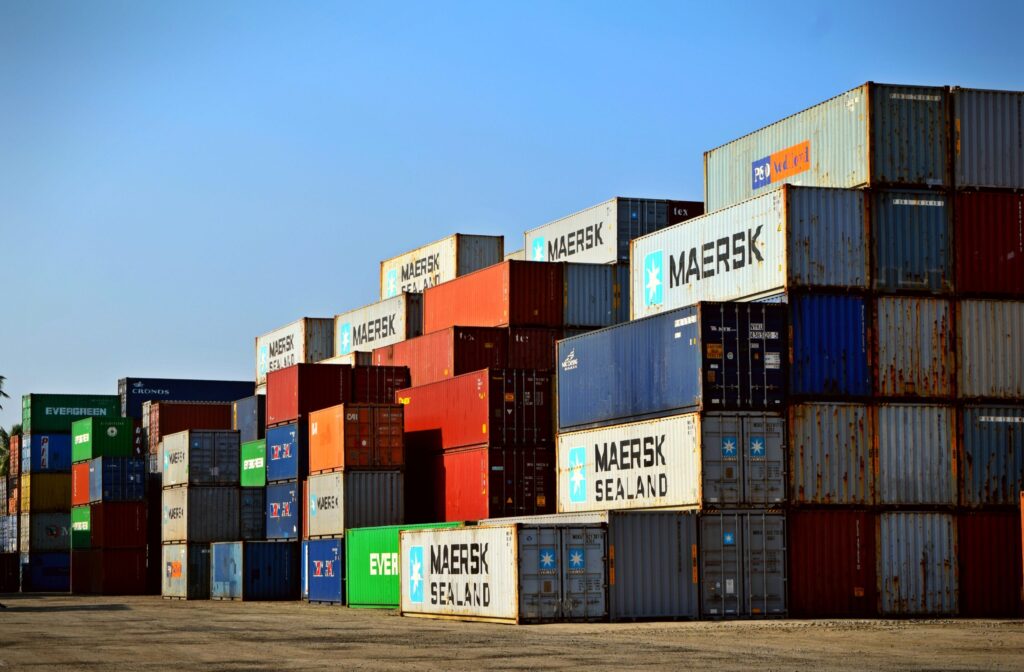
To keep costs down, consider consolidating your shipments or working with a third-party logistics provider (3PL). These companies specialise in optimising shipping routes and getting you the best possible rates.
Proper Packaging for Heavy Items
Good packaging is key to ensuring your items arrive safely. Without it, you risk damage or extra fees for improper handling. Here’s how to pack heavy items securely:
- Sturdy Materials: Use strong boxes, wooden crates, or pallets for support.
- Secure the Contents: Add padding, like foam or bubble wrap, to keep items from shifting. For larger shipments, strap them onto pallets to keep them stable.
- Label Clearly: Include labels with clear instructions like “Fragile” or “This Side Up” to avoid mishandling.
Common Challenges in Shipping Heavy Items (and How to Solve Them)
Shipping large items comes with its own set of challenges. Being aware of these ahead of time can help you avoid trouble.
Customs Delays
For international shipments, customs can cause frustrating delays. Make sure you’ve filled out all the necessary paperwork, like invoices and customs forms. Using an experienced freight forwarder can also make this process easier.
Dealing with Damaged Goods
Even with the best packaging, there’s always a small risk of damage. Make sure to get insurance for valuable shipments, and take photos of the items before sending them. If something does go wrong, file a claim with the carrier immediately.
Shipping Timeframes: What to Expect
How long shipping takes depends on the method and destination. Here’s a general guide:
- Road Freight: Domestic shipments can take 1–7 days.
- Air Freight: International shipments usually take 1–3 days.
- Sea Freight: Longer distances can take anywhere from 2–6 weeks.
If your shipment is urgent, air freight is the way to go. For larger, less time-sensitive deliveries, sea freight is usually more economical. Remember different departing destinations such as Pakistan may carry different estimated timeframes.
Choosing the Right Freight Forwarder
The right freight forwarder can make a huge difference in your shipping experience. Look for a company that knows how to handle the items you’re shipping, has strong industry connections, and offers comprehensive services like customs clearance and door-to-door delivery.
At Power Forwarding, we provide end-to-end solutions for shipping heavy items, making sure your goods get where they need to be safely and on time.
Featured Snippet: What’s the Best Way to Ship Heavy Items?
The best method depends on the distance, urgency, and budget. For short distances, road freight is flexible and fast. For international shipments, air freight offers speed at a higher cost, while sea freight is the most affordable option for bulk shipments that aren’t time-sensitive.
Make Shipping Easier
Shipping heavy items doesn’t have to be a hassle. By choosing the right freight method, packing correctly, and working with a reliable freight forwarder, you can make the process smoother and avoid unnecessary costs. Whether you’re shipping a single item or large quantities, Power Forwarding is here to help.